

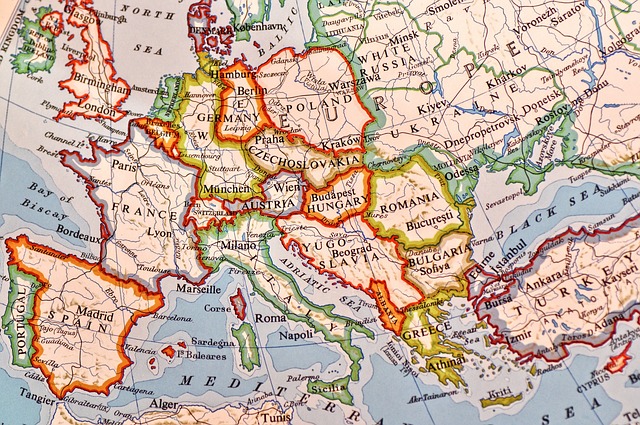
The European Union stands at a crossroads, with the coming decades poised to define the trajectory of its integration and governance models. As we inch closer to 2035, the EU faces a plethora of challenges and opportunities that could significantly reshape its political, economic, and social landscape. The intricate dance between member states’ sovereignty and the push for deeper integration is more relevant than ever, given the shifting global dynamics and internal pressures. This blog post aims to shed light on the potential scenarios that could unfold over the next decade, focusing on the pivotal factors that will influence the EU’s path towards integration and governance.
Exploring the Dynamics of Integration
The EU’s journey towards integration has been anything but linear. The concept of differentiated integration, where member states participate in certain aspects of the EU policies and frameworks at varying degrees, has emerged as a pragmatic approach to navigate the union’s diversity. This approach has allowed for the accommodation of different levels of ambition and capacity among member states, exemplified by the Eurozone and Schengen area. However, as we look towards 2035, the question of how this differentiation will evolve remains pertinent. Will we see a more fragmented Europe, with groups of countries forging ahead in areas like defense, digital economy, and environmental policy, leaving others behind? Or will there be a renewed push towards federalism, driven by the realization that challenges such as climate change, digital transformation, and geopolitical instability require a more unified and robust EU response?
The future of EU integration is also intricately linked to its enlargement strategy. The accession of Western Balkan countries, the potential candidacy of Ukraine, and the relations with Turkey are all factors that will influence the EU’s internal dynamics. Moreover, the EU’s ability to project its values and standards beyond its borders through partnerships and trade agreements will test its external governance capabilities. The balancing act between deepening and widening the EU, ensuring its policies are effective and sustainable, and maintaining a democratic ethos that resonates with its citizens, will be critical in shaping the EU of 2035.
Governance in the Age of Disruption
Governance within the EU is undergoing a transformation, spurred by technological advancements, societal shifts, and the need for more responsive and accountable institutions. The digital revolution, exemplified by the rise of blockchain, artificial intelligence, and the Internet of Things, offers both challenges and opportunities for EU governance. These technologies could enhance transparency, efficiency, and citizen engagement, but they also raise questions about privacy, security, and the digital divide. The EU’s response to these challenges, including its regulatory frameworks and investment in digital infrastructure, will be a key determinant of its future governance model.
Moreover, the EU’s governance is tested by external pressures such as migration, geopolitical tensions, and global economic shifts. The COVID-19 pandemic has underscored the importance of resilience and adaptability in governance structures, highlighting the need for mechanisms that can respond swiftly and effectively to crises. As the EU looks towards 2035, its ability to leverage its collective strength while respecting the diversity and autonomy of its member states will be paramount. The potential for a more integrated foreign and security policy, a cohesive approach to migration, and a robust economic governance framework are all scenarios that could define the EU’s governance model in the coming years.
In conclusion, the EU’s path towards 2035 will be influenced by a myriad of factors, from internal dynamics and enlargement to external relations and technological advancements. The scenarios of future integration and governance within the EU are varied, each with its own set of implications for effectiveness, sustainability, democracy, and external relations. As the EU navigates these complex landscapes, the choices made today will undoubtedly shape its future for decades to come. The journey towards a more integrated, resilient, and democratic EU is fraught with challenges, but also brimming with opportunities. The direction that the EU takes will not only impact its member states and citizens but also its role on the global stage.